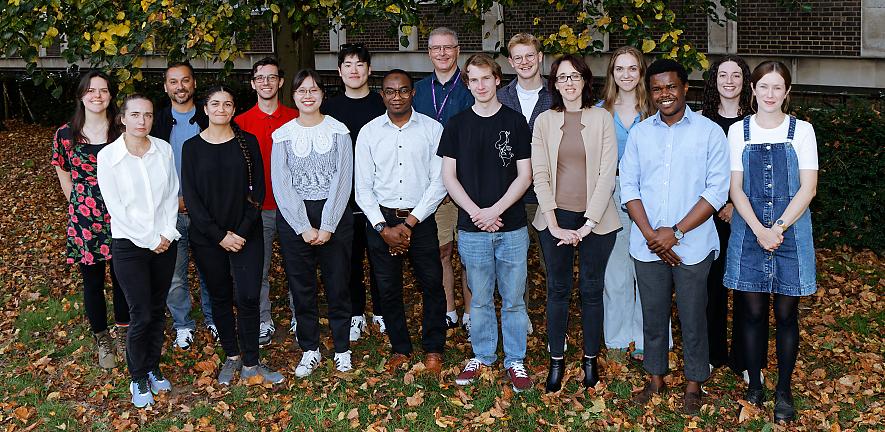

We are an interdisciplinary group working on air quality and climate. 

Markers for anthropogenic sources of secondary organic aerosol: new evaluation from simulation chamber study
DL Pereira, A Gratien, C Giorio, F Battaglia, E Mebold, T Bertin, M Cazaunau, E Pangui, A Berge, C Gaimoz, B Picquet-Varrault, J-F Doussin, P Formenti
Atmospheric Environment
(2026)
Dataset of aerosol, ozone, and meteorology observations at the surface coastal site of Henties Bay in Namibia
P Formenti, D Klopper, A Feron, M Cazaunau, S Chevaillier, K Desboeufs, C Di Biagio, C Baldo, C Gaimoz, V Michoud, C Mirande-Bret, S Triquet, F Hemeret, R Valorso, S Broccardo, A Namwoonde, M Hanghome, C Giorio, SJ Piketh
(2026)
Organic matter in dust-dominated aerosols over Namibia influenced by biomass burning and marine emissions
A Zherebker, C Baldo, P Formenti, C Giorio
(2026)
Investigating inequalities in exposure to PM2.5 from wood burning
WJ Acton, D Srivastava, S Hou, T Wynn, V Lalchandani, L Dunn, Z Shi, W Bloss
(2026)
Determining the key sources of uncertainty in dimethyl sulfide and methanethiol oxidation under tropical, temperate, and polar marine conditions
LSD Jacob, BEH Harvey, C Giorio, AT Archibald
Atmospheric Chemistry and Physics (ACP)
(2026)
26
Read more

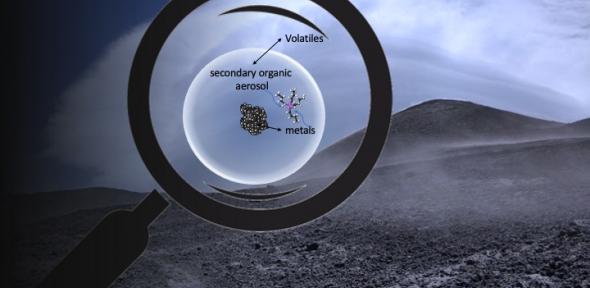
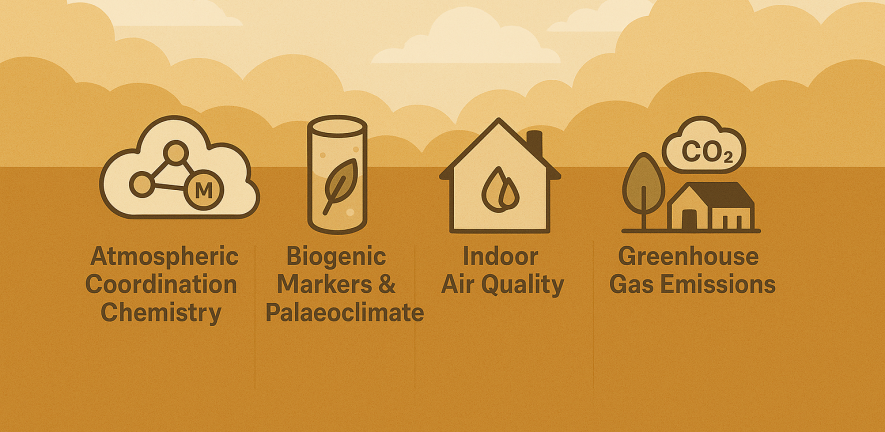
Coordination chemistry in the atmosphere

Water is one of the main atmospheric components, present in the form of vapour, rain, cloud, fog droplets, and deliquescent atmospheric aerosols (hygroscopic aerosol at high humidity). The presence of a liquid water phase in the atmosphere promotes reactions that would not occur otherwise. One important class of reactions is complexation of metals by organic ligands.


Read more

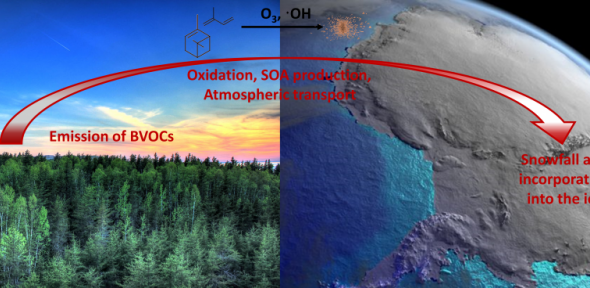
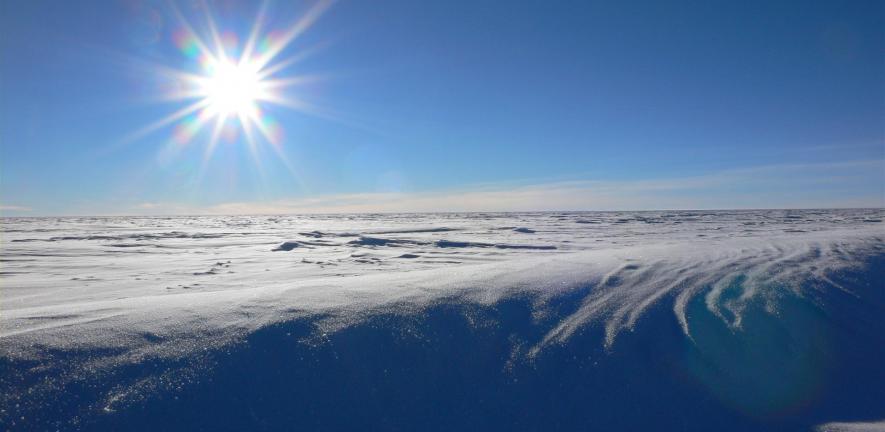
Paleoclimate reconstruction from organics in ice cores

Ice cores have provided information on the past atmosphere on a time scale dating back to 800,000 years ago. We are interested in terrestrial and marine biogenic emissions, their atmospheric fate and potential information they can unfold when found in ice cores from the polar regions.


Read more

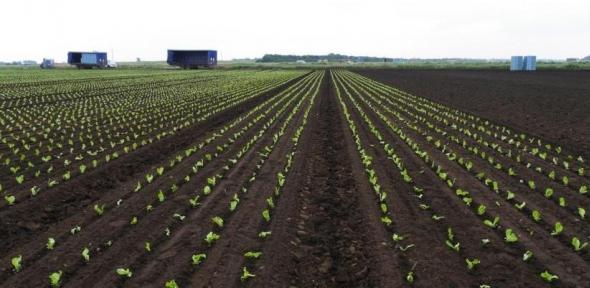
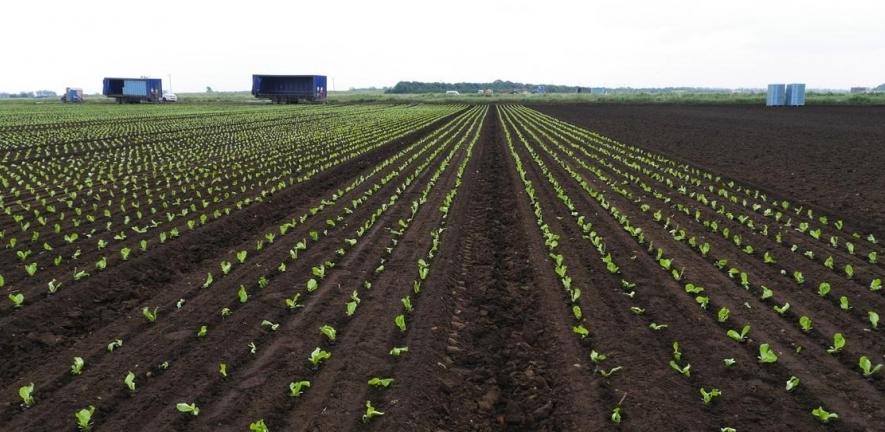
Greenhouse Gases Emissions

The goal of sustainable agriculture is to meet society's food and textile needs in the present without compromising the ability of future generations to meet their own needs. In the Centre for Landscape Regeneration we use novel, low-cost methodologies to assess greenhouse gases emissions with a focus on protecting the Fenlands, expanding habitats in the Cairngorms, and protecting the Lake District as a UNESCO World Heritage Site.


Read more

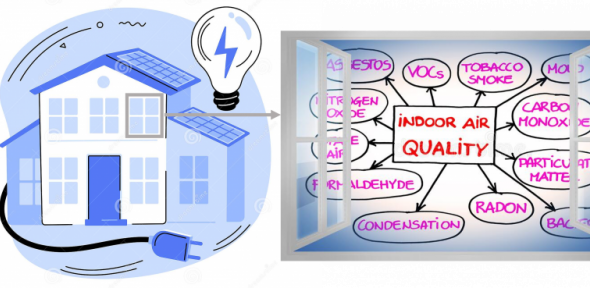
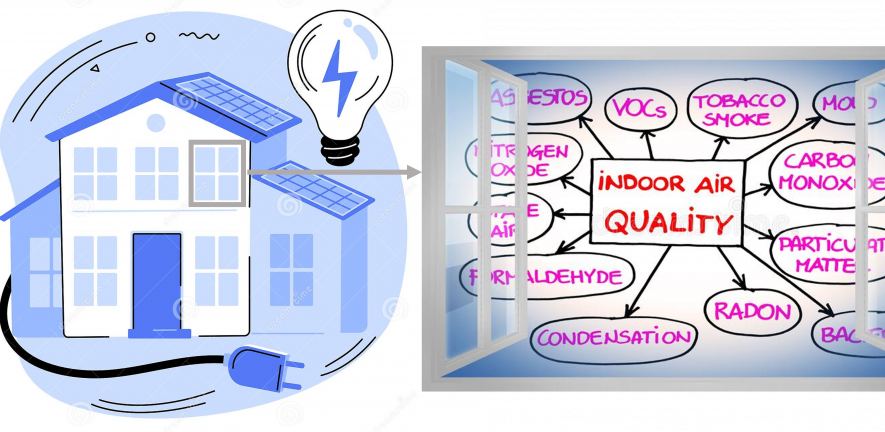
Indoor Air Quality

Air pollution epidemiology has so far primarily relied on fixed outdoor air quality monitoring stations and static populations which cannot capture the high heterogeneity of personal exposure, as individuals move between different microenvironments spending as much as 90% of their time indoors at home and school/work.